Ethiopia’s Rise Heralds Africa’s Renaissance!
September 15, 2026 E.C.
Ethiopia has begun the new year by prioritizing its national interests and serving as the authentic voice of Africans.
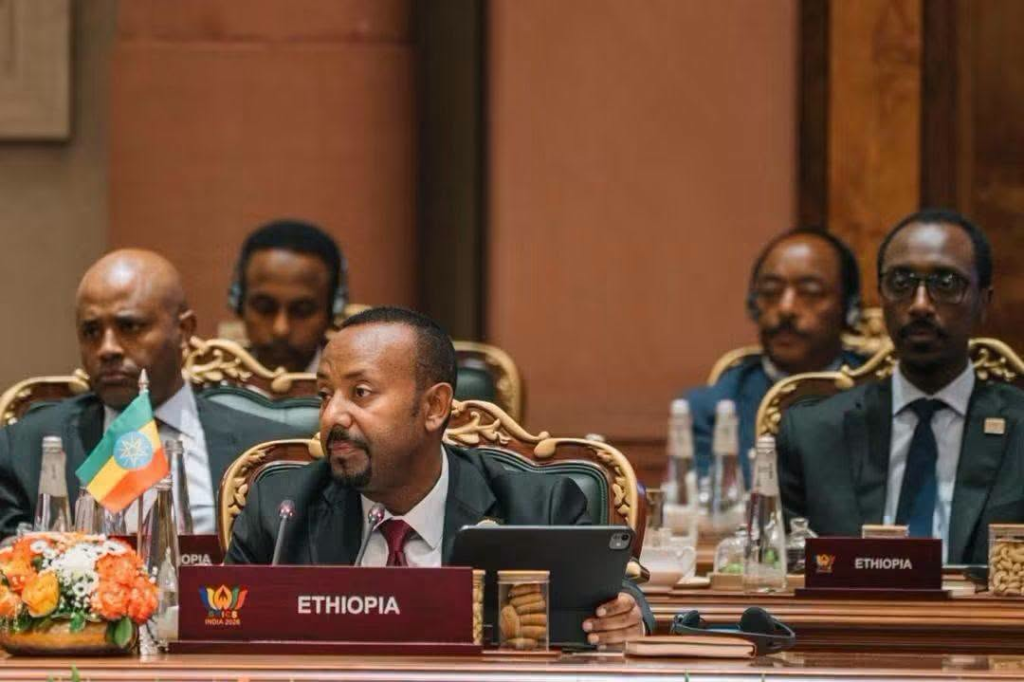
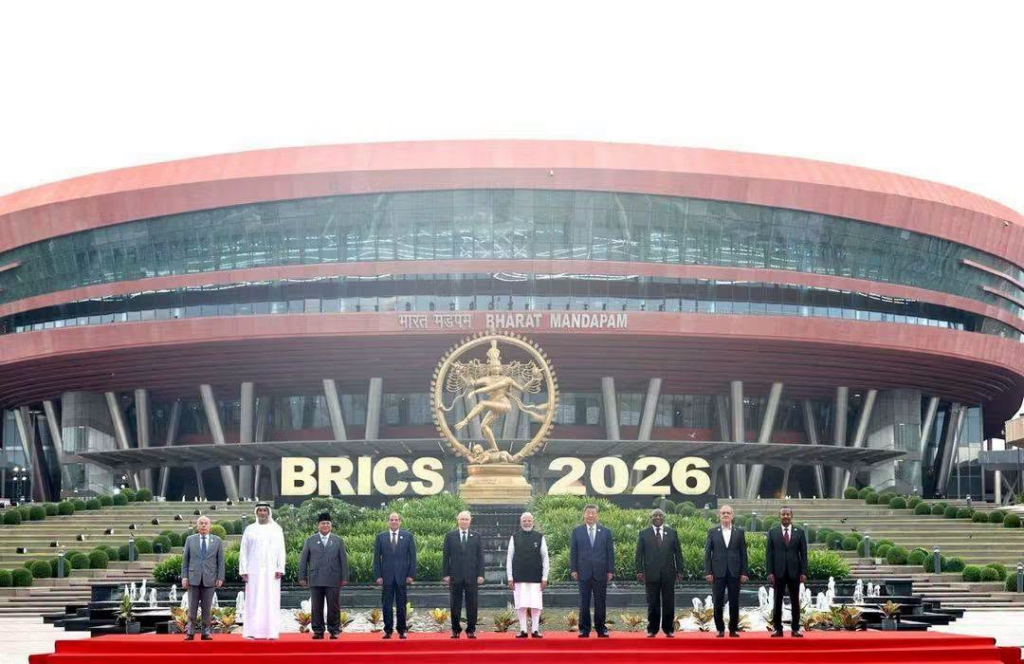
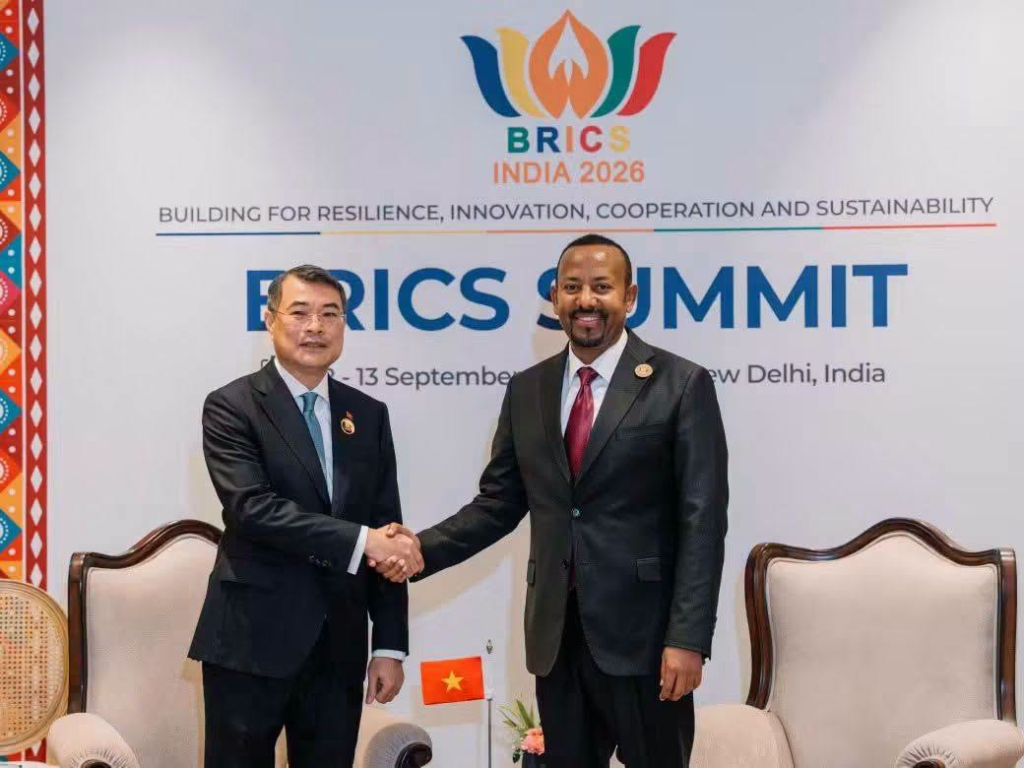
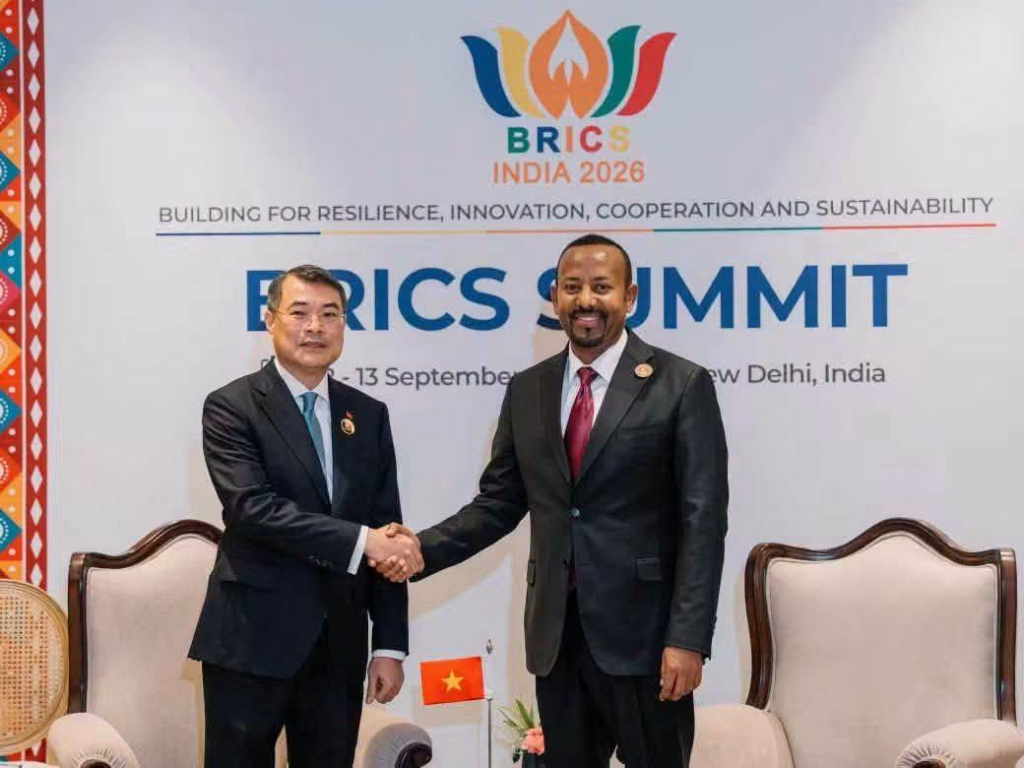
By pursuing a firm and non-aligned foreign policy amid the world’s shifting geopolitical tensions, Ethiopia, which succeeded in becoming a member of BRICS, demonstrated in practice its continental exemplary role and strategic relevance at the 18th BRICS Leaders’ Summit held in New Delhi, India. Held under the guiding theme “Strengthening Resilience, Innovation, Cooperation, and Sustainability,” this summit became a chapter that clearly showed how Ethiopia elevated its multifaceted ties with member and partner countries to a higher level, and its firm commitment to building a fair and inclusive global order.
In the position it reflected at the summit’s platform, Ethiopia emphasized that countries need to build resilience capacity before crises occur. In this regard, Ethiopia announced that, through its efforts to ensure food sovereignty, it has completely freed itself from dependence on wheat aid imported from abroad, and confirmed its readiness to participate as both a producer and a supplier in the BRICS Grain Exchange framework.
At the forum, Ethiopia emphasized that in the field of technology and innovation it is extensively building digital infrastructure, digital identification, payment systems, and reliable information exchange networks. By stating that it is establishing the “Medemer Artificial Intelligence University,” which will enable Africa to lead the coming technological era with ownership, it confirmed its readiness to work together with BRICS institutions.
Recalling that Africa is home to abundant mineral resources, Ethiopia also reflected that mineral wealth is crucial for the energy transition, advanced manufacturing, and the digital economy. It indicated that since BRICS member countries possess capital, technology, and market options, coordinating and utilizing these resources creates a great opportunity to add value to raw resources.
Ethiopia affirmed that it is expanding its production capacity in the health sector, and that it is ready to build partnerships in minerals, renewable energy, and its growing industrial capacity. It also used the platform to clearly register that Ethiopian Airlines is a great opportunity connecting Africa with the world, that the energy supply it provides to neighboring countries, and that Addis Ababa being the seat of the African Union, are contributions to continental and global connectivity.
Regarding the international financial system, Ethiopia stated that it is carrying out economic reform and working to restructure its external debt, and cautioned that the debt repayment process for economies facing difficulties must be fast, transparent, and predictable. It also issued a strong call that the representation of developing countries within international financial institutions must be fair, ensure their voice is heard, and produce tangible results.
Through its active participation at the summit, our country gained support for its bid to become a member of the World Trade Organization, to gain an additional seat on the Council of the International Civil Aviation Organization (ICAO), and to host the international climate change conference (COP32) in Addis Ababa; its proposals — that a New Development Bank (NDB) office be opened in Addis Ababa, and that a “BRICS Coordinator” be established to turn priority matters into agreements — also gained wide acceptance.
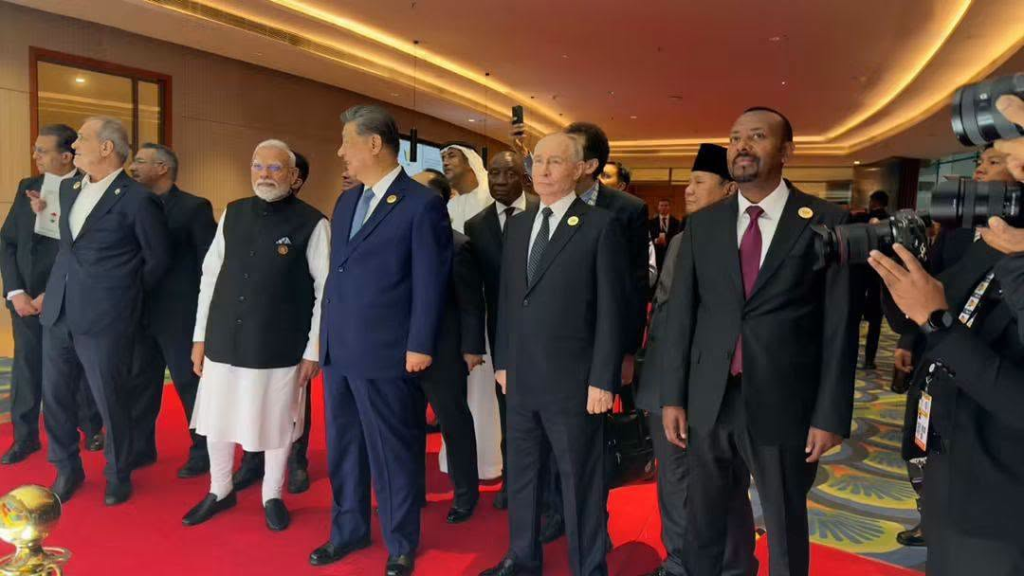
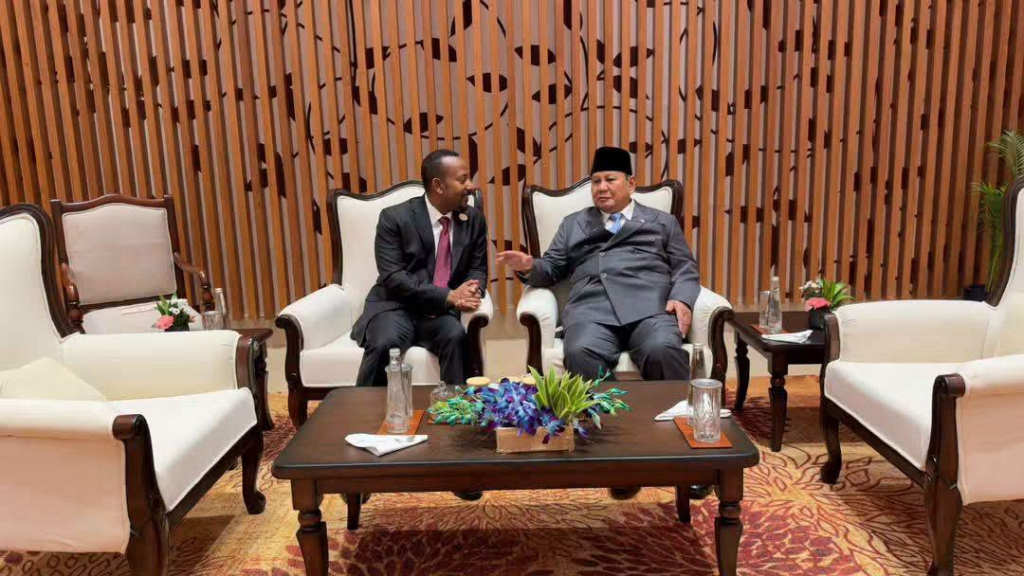
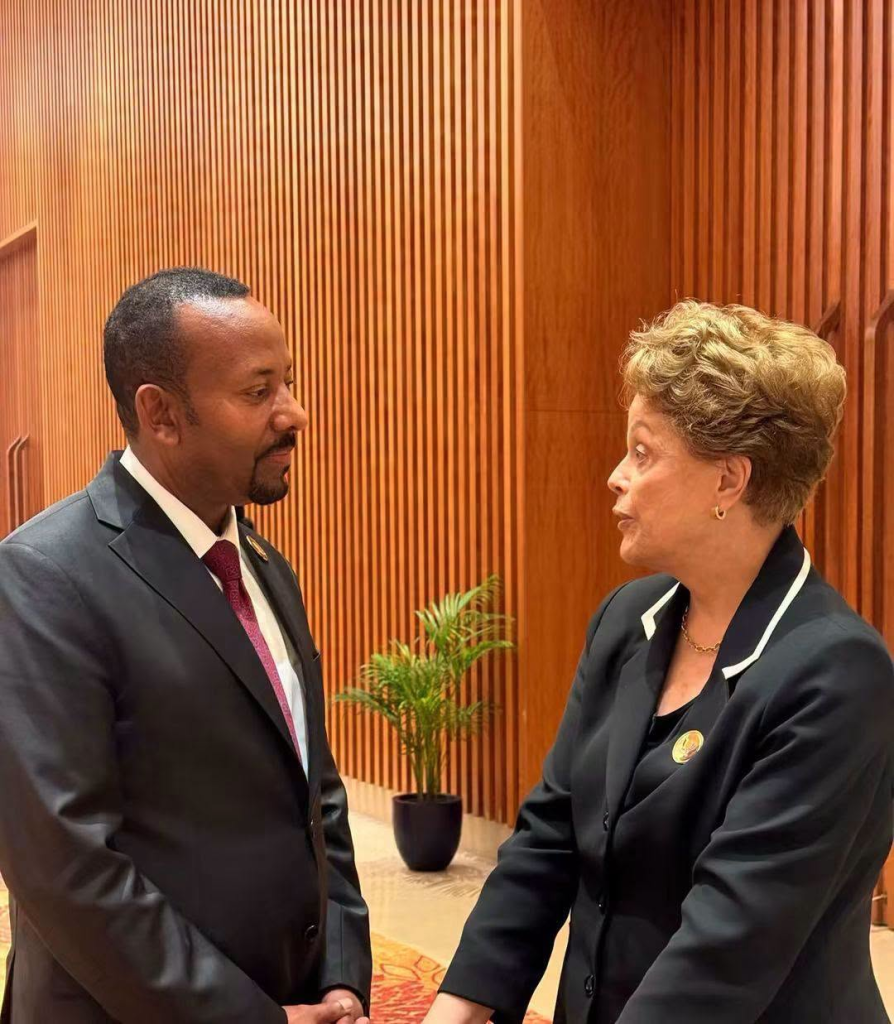
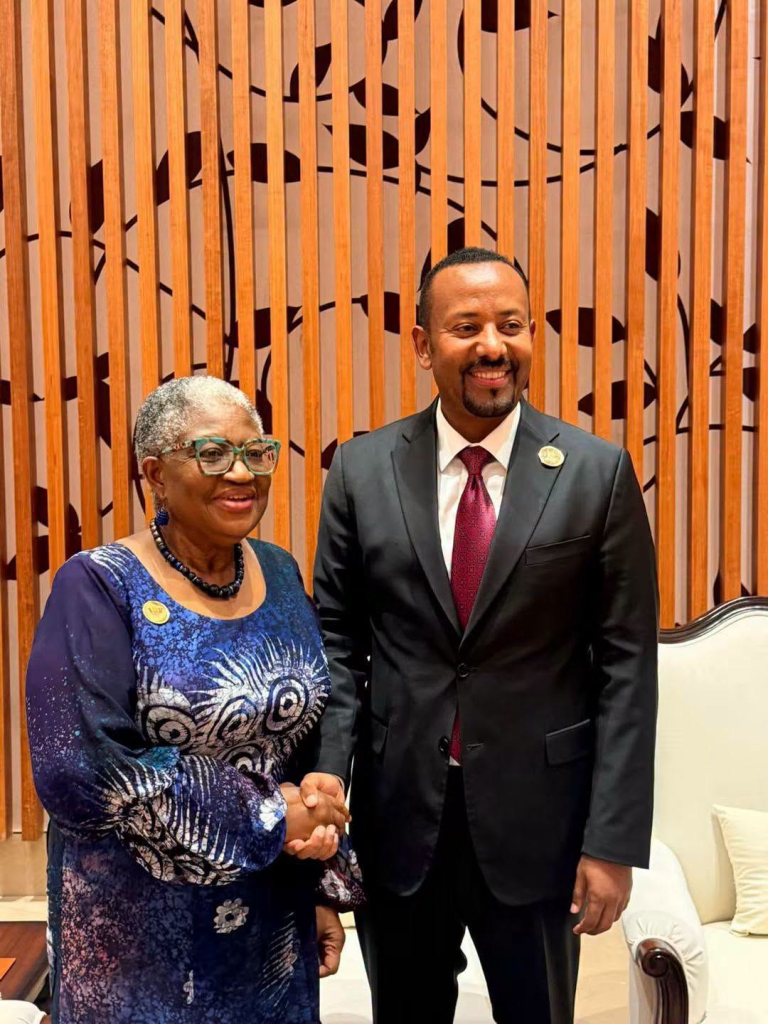
Among the extensive diplomatic work carried out alongside the BRICS platform, the discussions held with world leaders were ones in which great success was recorded in terms of safeguarding national interests and strengthening partnerships.
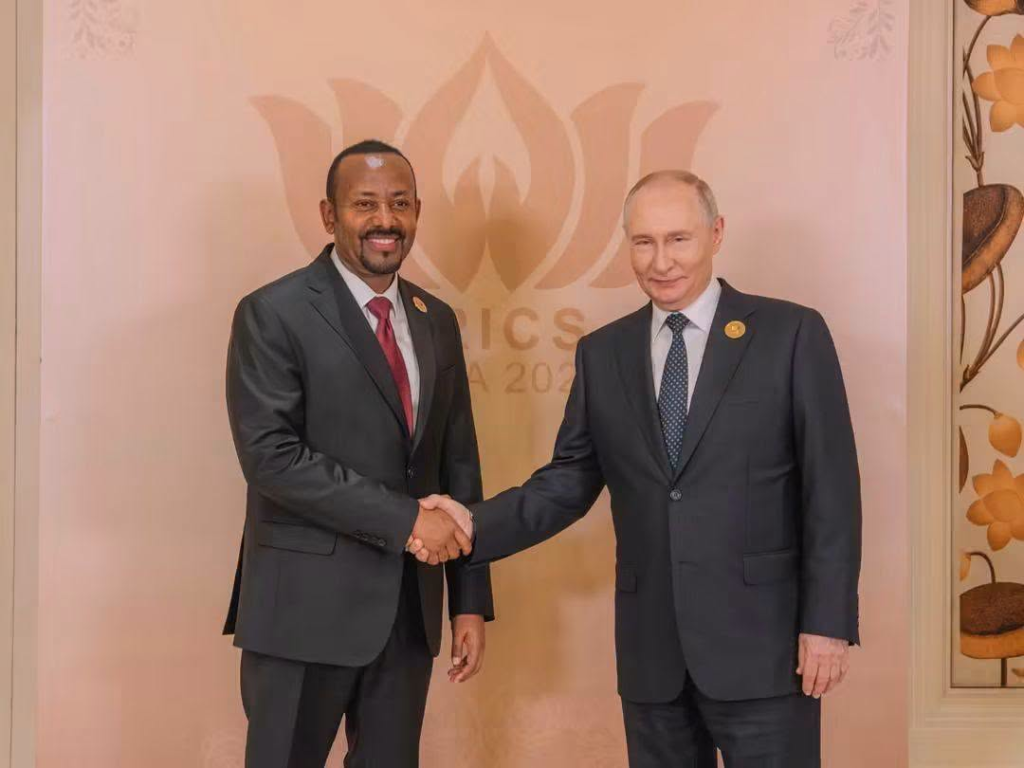
A fruitful discussion was held with Russian President Vladimir Putin on matters regarding how the strategic partnership between Ethiopia and Russia can be further strengthened. The discussion was one in which mutual commitment was confirmed to advance cooperation in the areas of defense and security, trade and investment, education, technology, as well as culture and people-to-people relations. In addition, regarding preparations for COP32, it was possible to reach an agreement enabling the strengthening of our cooperation on climate change and development goals.
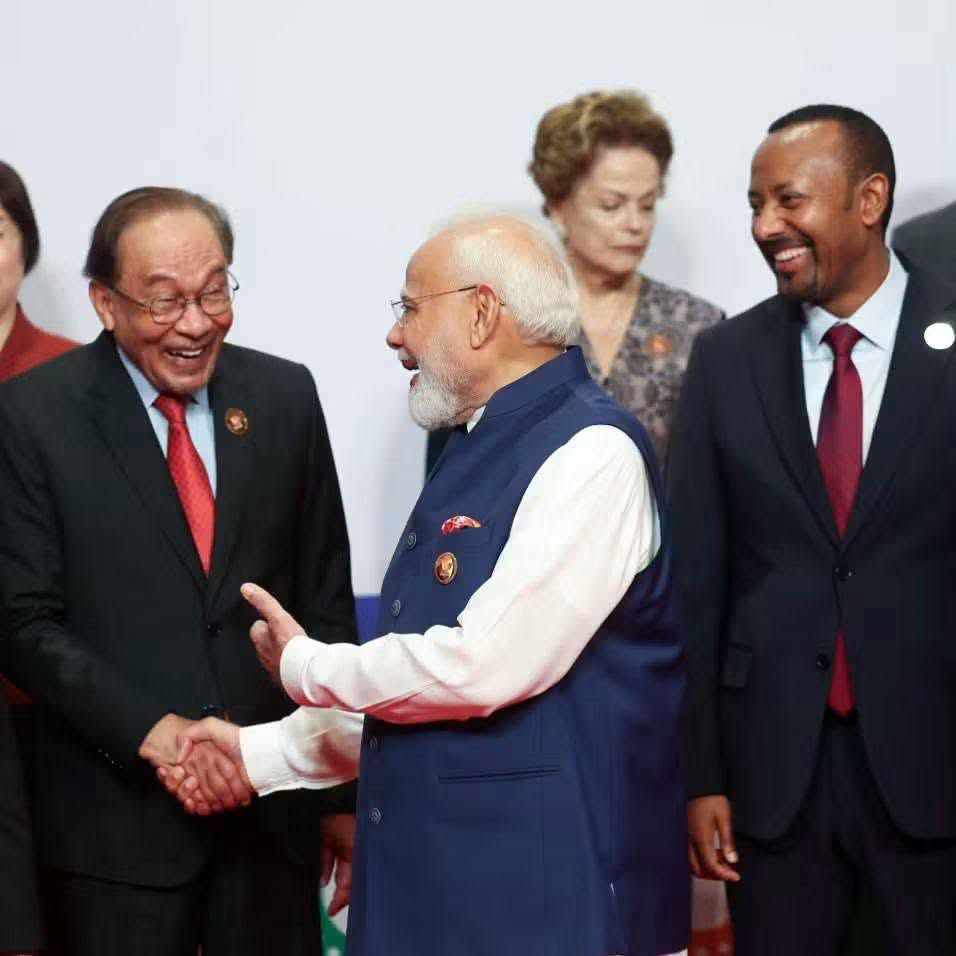
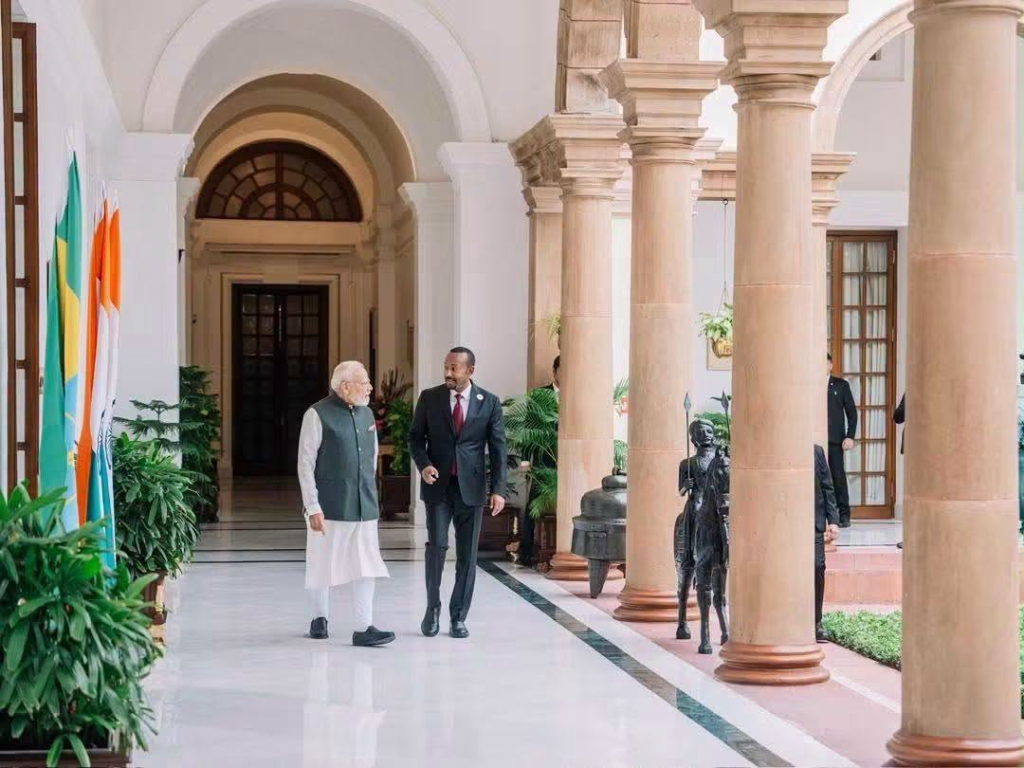
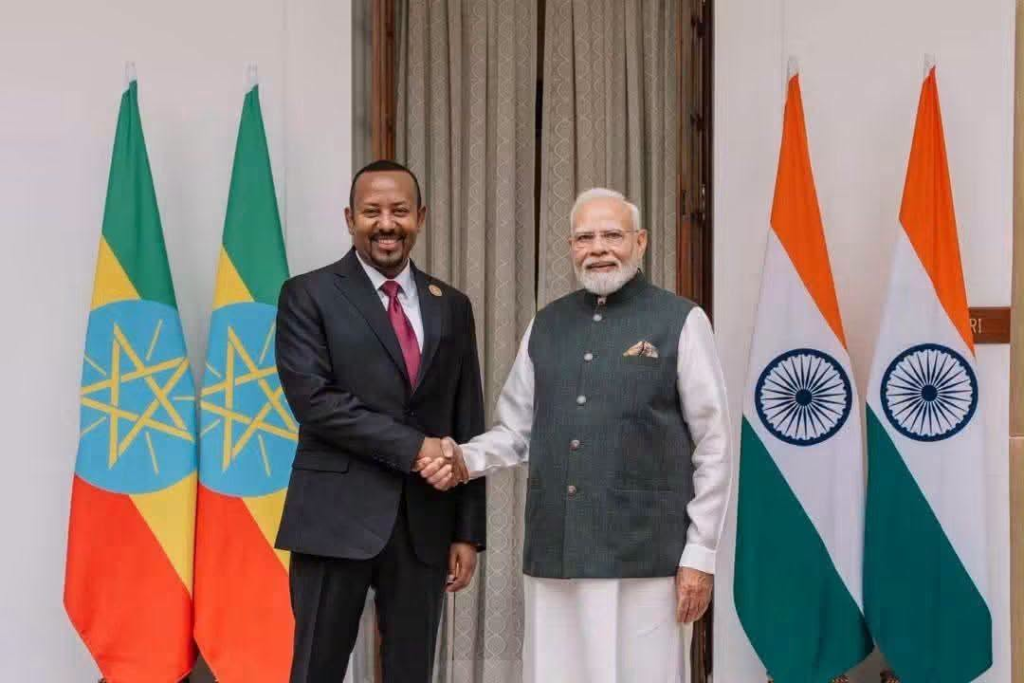
A discussion was also held with Indian Prime Minister Narendra Modi on enhancing defense cooperation, technology transfer, capacity building, and mineral development, and it was possible to advance our age old historical ties into a practical chapter of economic and development cooperation.
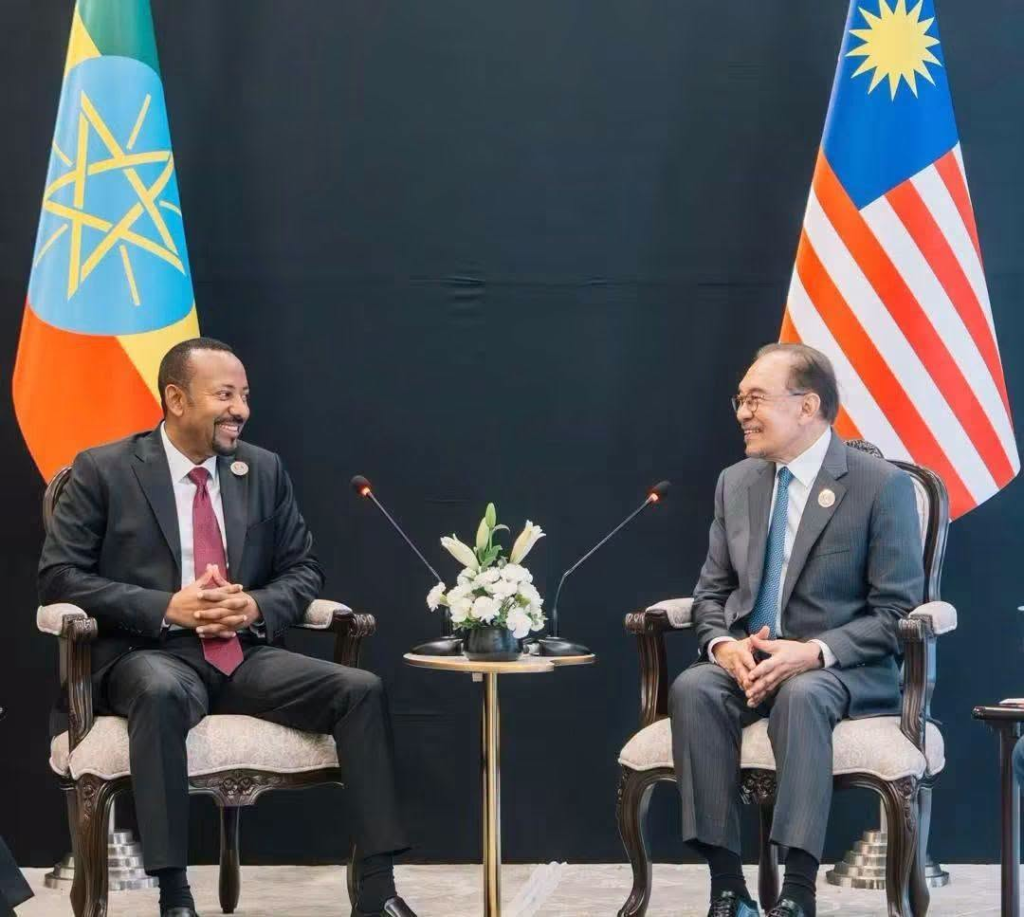
In addition, a discussion was held with Malaysian Prime Minister Anwar Ibrahim on investment, tourism, renewable energy partnership, and manufacturing sector experience, opening a great door for domestic development.
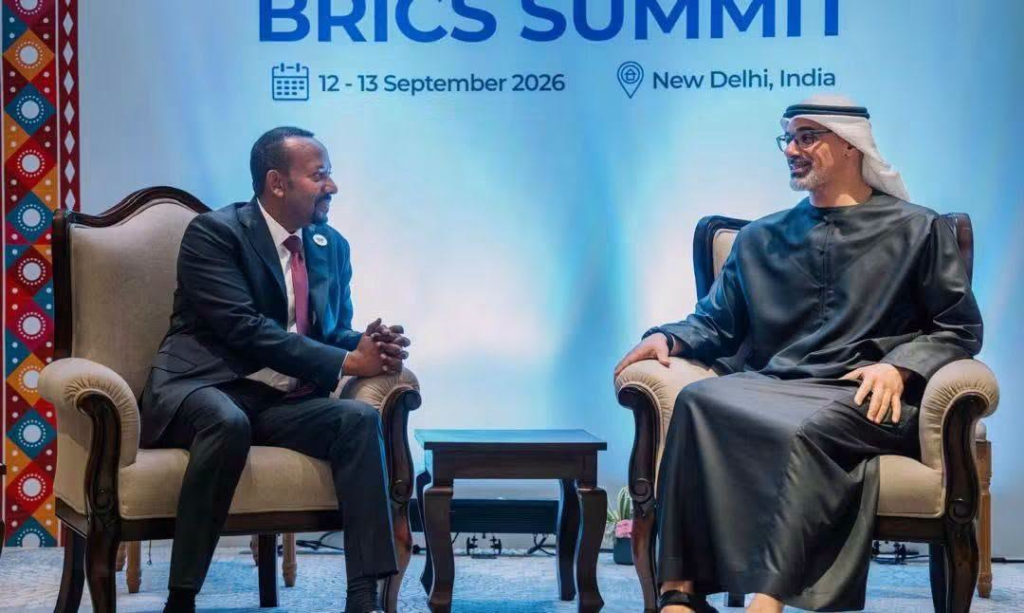
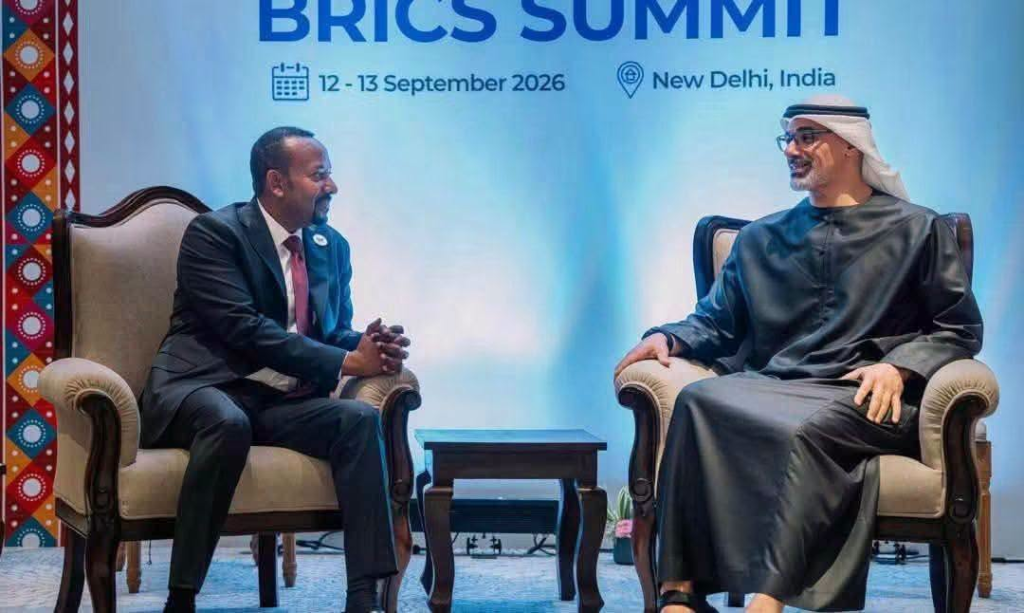
A discussion was held with Abu Dhabi Crown Prince Sheikh Khaled bin Mohamed bin Zayed Al Nahyan on BRICS priority agendas and multifaceted cooperation; and with Iranian President Masoud Pezeshkian, agreement was reached to work together to further expand our trade, economic, and development exchanges based on current developments in the Red Sea area and regional security stability, as well as shared benefit.
Overall, the strategic diplomatic work Ethiopia carried out and the tangible results it achieved at the 18th BRICS Leaders’ Summit are decisive pillars that will realize the country’s long-term diplomatic and economic transformation. On this historic platform, the government has demonstrated in practice that Ethiopia, by using its BRICS membership, boldly demands its strategic interests, and is a reliable partner standing for Africa’s development, peace, and fair international cooperation. Ethiopia’s resurgence heralds Africa’s renaissance!