Seven years ago, Ethiopia’s macroeconomic situation was in a state of severe strain.
Macroeconomic imbalances, heavy debt burden, foreign-exchange shortages, and market instability were the main macroeconomic challenges that existed prior to the reform.
As a result of the reform measures undertaken by the government to address these challenges, tangible outcomes are now being recorded. These reforms have enabled Ethiopia to become one of the fastest-growing countries in Africa. The first and second Home-Grown Economic Reform programs have made it possible to establish strong and modern institutions. Among the results brought about by the reforms is the design of strong, innovative, and efficient strategies to increase government revenue. Since the reforms, government revenue, including external inflows, has increased fivefold. Government tax revenue has risen by 400 percent. Overall government revenue has increased by 446 percent compared to its level in 2010. In terms of external resource inflows, over the past seven years a total of 25 billion US dollars has been mobilized. The budget allocated to poverty-focused sectors has quadrupled compared to its level in 2010. Regarding the fiscal deficit, it was reduced from 2.5 percent in 2010 to 0.9 percent in 2017.
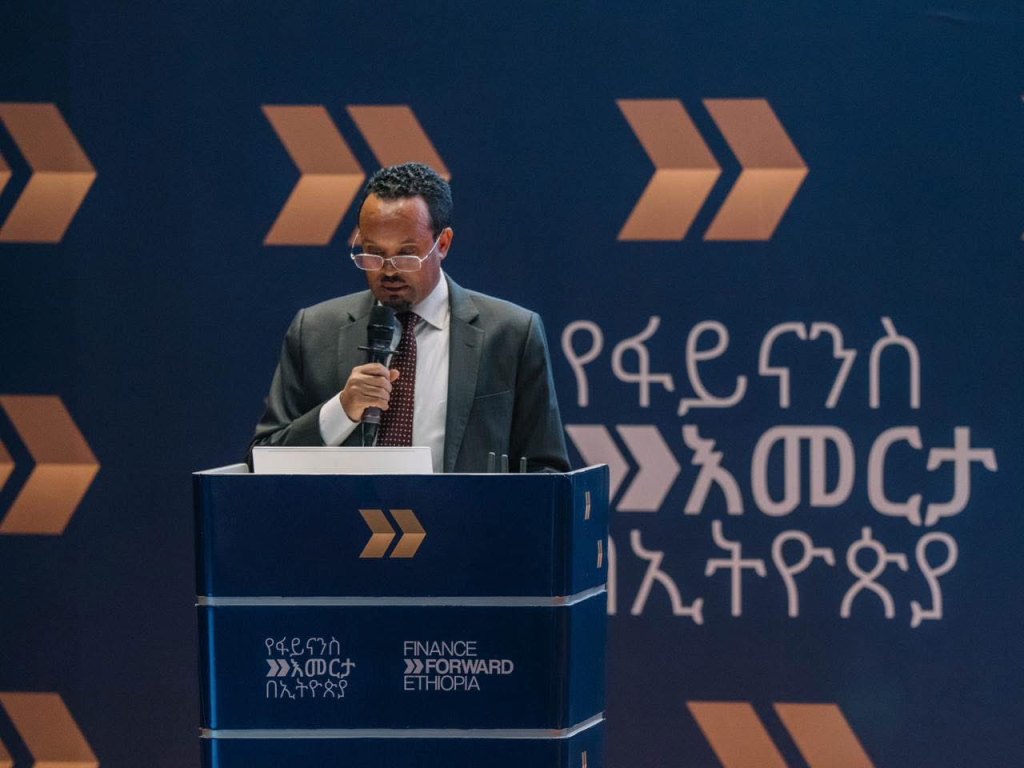
- Ahmed Shide
Minister of Finance