Ethiopia Advances Food Sovereignty in Innovation and Community Resilience
January 8, 2018
Ethiopia is making significant progress in its quest to achieve food sovereignty, with coordinated efforts across government institutions, development partners, and local communities yielding tangible results.
The national economic reform agenda has placed food sovereignty at the center of policy, aiming to reduce dependency on imports and strengthen domestic capacity to feed the population sustainably.
Key initiatives have focused on expanding green legacy and various agricultural initiatives, climate-smart agriculture, empowering smallholder farmers, and preserving indigenous seed varieties. Community seed stores now safeguard local crops, ensuring resilience against climate change while protecting Ethiopia’s rich biodiversity.
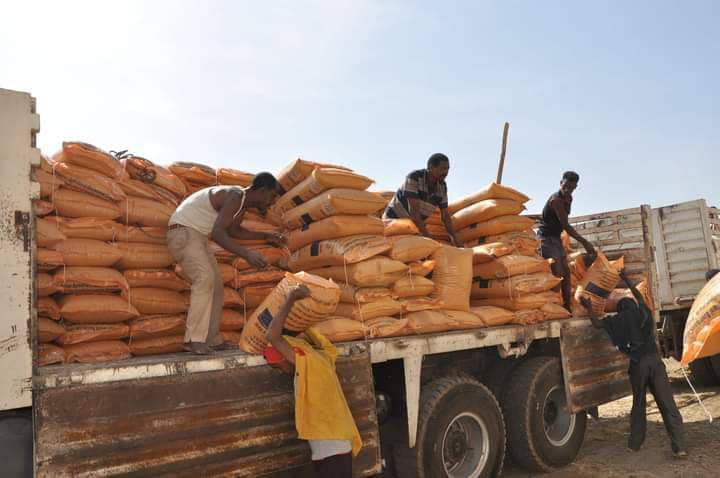
Training programs in modern farming techniques have boosted productivity, while irrigation programs and post-harvest storage facilities have minimized losses and stabilized supply chains.
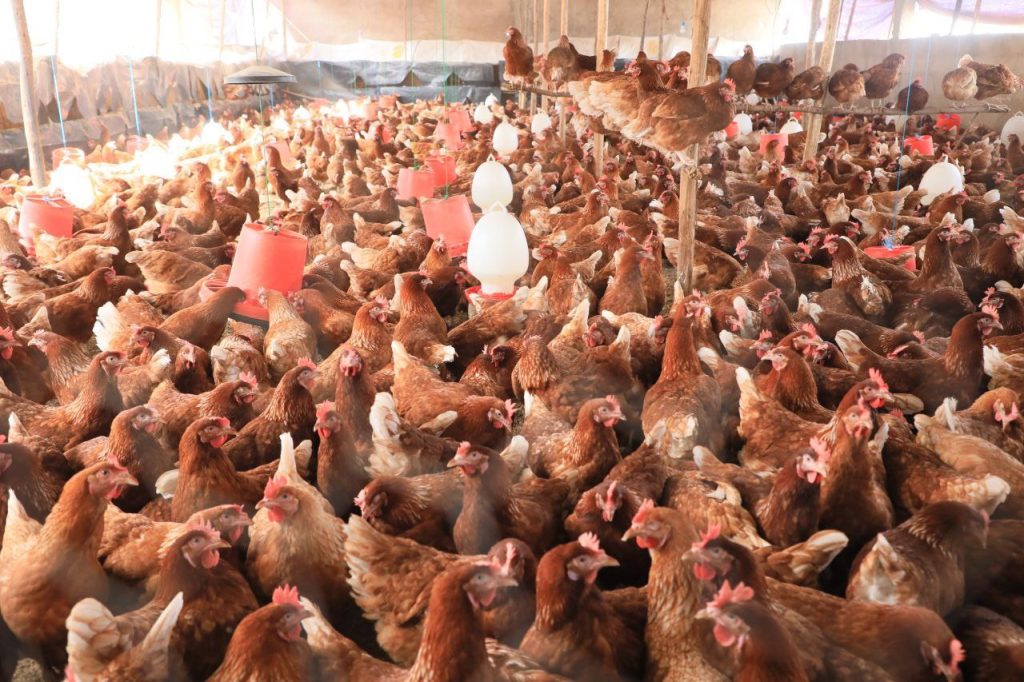
The results are visible across regions, crop production has increased within a bounty of basket initiatives, livestock programs have enhanced household nutrition, and cooperative unions are bridging the gap between rural producers and urban consumers.
These achievements are complemented by awareness campaigns encouraging citizens to embrace local foods, reinforcing cultural identity and reducing vulnerability to global price fluctuations.
By combining traditional knowledge with modern innovation, Ethiopia is building a food system rooted in self-reliance and dignity.
The progress underscores a national commitment to ensuring that every citizen has access to secure, nutritious food, marking a decisive step toward food self-sufficiency and sovereignty.