Macroeconomic Reforms Laid the Foundation for Inclusive and Sustainable Economic Growth
March 8, 2018
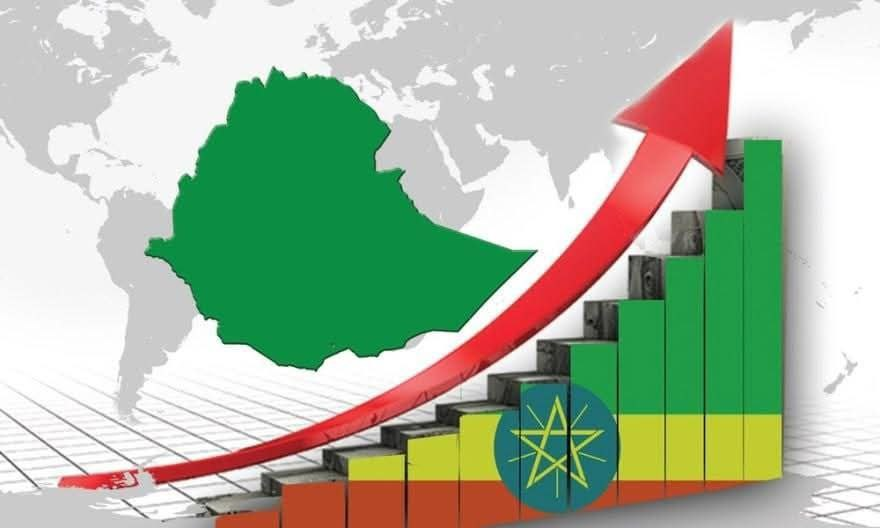
Ethiopia’s comprehensive economic transition over the past seven years has been marked by sweeping reforms that are reshaping the nation’s growth trajectory.
Faced with persistent macroeconomic imbalances, inefficient resource allocation, slow growth, and widening wealth disparities, the government moved decisively to stabilize and restructure the economy. These challenges had long eroded investor confidence and weakened the state’s ability to deliver inclusive prosperity.
In response, the Government launched successive home grown economic reform agendas beginning in the 2011 fiscal year. These early measures focused market distortions and strengthened fiscal discipline, laying the groundwork for deeper structural change.
By the 2017 E.C fiscal year, Ethiopia rolled out comprehensive macroeconomic reforms that introduced broad adjustments in monetary policy, fiscal management, and resource allocation. These reforms have enabled the economy to move beyond its immediate difficulties and onto a more sustainable growth path.
The results are beginning to show. Investor confidence has improved, fiscal stability has strengthened, and the foundations for equitable wealth distribution are being laid. While challenges remain, Ethiopia’s reform agenda has positioned the country for strong and inclusive growth.
The government’s efforts signal a transformation phase, moving the nation toward a modernized economy capable of delivering prosperity across society.