Ethiopia’s Strategic Transition to self-Reliance is Bearing Fruit
April 22, 2018
Ethiopia’s bold policy to achieve food self-sufficiency continues to deliver consistent successes, transforming millions of citizens from dependency into productive contributors. This historic shift, moving a workforce long constrained by external reliance toward economic sovereignty is being strengthened on a solid foundation. The progress achieved today is a part of an accelerating process that will secure a food-independent Ethiopia tomorrow.
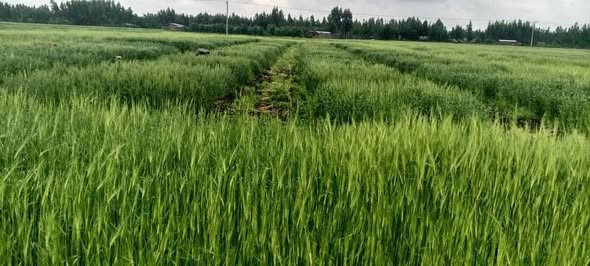
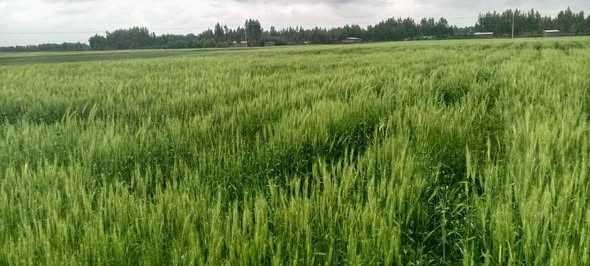
Central to this success is the determined implementation of domestic economic reforms, breaking away from outdated support structure and prioritizing productivity. In agriculture, cluster farming and irrigated wheat development have enabled farmers to harvest multiple times a year, ensuring food security from households to the national level. Ethiopia has now opened a new chapter, transitioning from wheat dependency to becoming a wheat exporter.
The safety net policy is equally significant to the transformation. Instead of treating aid as a permanent solution, the government is promoting active participation in development, fostering self-reliance. Aid is being redefined as a temporary crisis response, while millions of citizens are moving from dependency to productivity through their own work.
Initiatives such as the Green Legacy basket bounty programs, driven by Prime Minister Abiy Ahmed are bypassing bureaucratic barriers and producing tangible results. Ethiopia’s success demonstrates to the world that national prosperity can be achieved through homegrown policies and the collective effort of its people. Dependency gives way to historic development victory, continuing to strengthen progress, resilience, and national pride.