Government Implements Strategic Measures Addressing Gaps in Education Sector
April 22, 2018
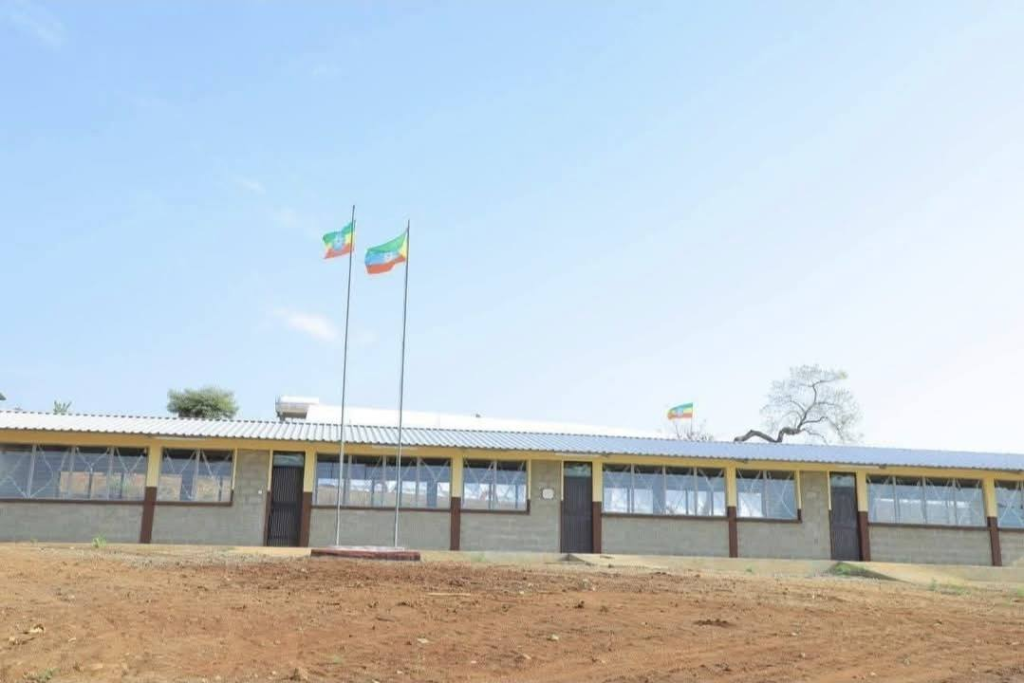
Over the past five years, Ethiopia has registered remarkable progress in the education sector through extensive reforms and infrastructural expansion. More than 34,000 pre-primary schools have been built nationwide, creating unprecedented opportunities for millions of children to access early childhood education (0-class) before advancing to primary school.
This expansion has been particularly transformative for rural communities, where access to education was previously limited, As a result, participation rates in pre-primary education have risen significantly, laying a strong foundation for improved performance in primary school and reducing dropouts.
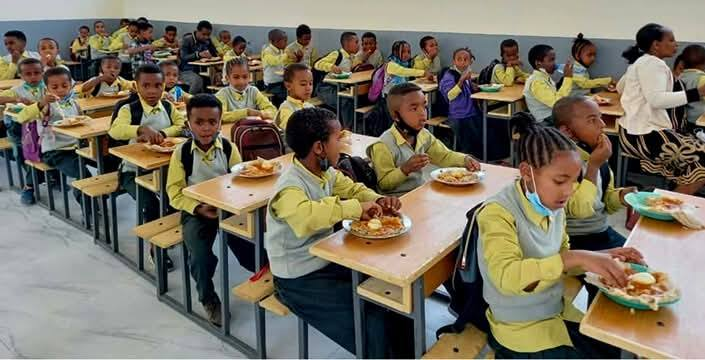
The government remains committed to sustaining this momentum. Plans are underway to construct an additional 1,452 pre-primary schools across 727 Woredas, with the capacity to enroll 87,120 children in the next fiscal year, 2019 (E.C). A budget exceeding 1.7 billion birr has also been allocated to ensure the school feeding program reaches all government schools, further supporting student
The government remains committed to sustaining this momentum. Plans are underway to construct an additional 1,452 pre-primary schools across 727 districts, with the capacity to enroll 87,120 children in the 2019 academic year. A budget exceeding 1.7 billion birr has also been allocated to ensure the school feeding program reaches all government schools, further supporting student knowledge and success.
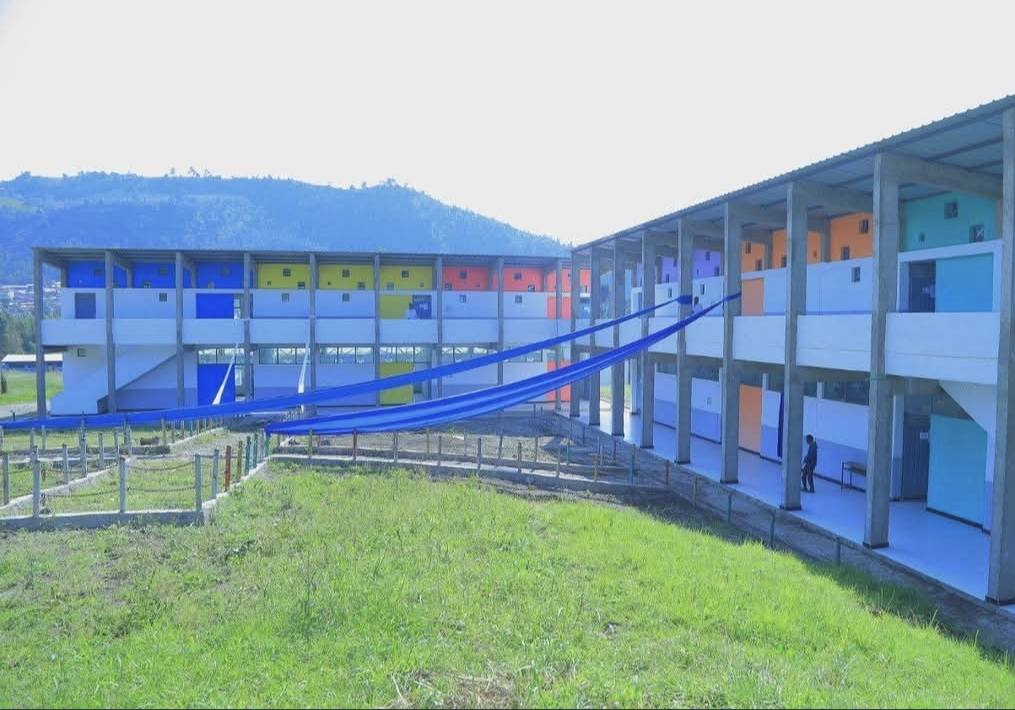
Quality education improvement has been another major focus. A strengthened curriculum has been introduced, alongside investments in laboratories, libraries, book printing and distribution, and teacher training programs. Model schools have been equipped with modern facilities, offering hope for better outcomes in university entrance examinations. Universities have also established childcare and creative centers, fostering a supportive environment for both students and staff.
Addressing the shortage of textbooks has been a cornerstone of reform. Until now, 239 million books have been distributed in the first phase, followed by 40 million in the second. A “One book per student (1:1) initiative is planned for the coming year, ensuring learners can study independently and prepare effectively for exams.
The achievements mark a turning point in Ethiopia’s education journey. By expanding access, enhancing quality, and investing in human capital, the sector is laying the groundwork for capable citizens and a stronger generation to lead the nation forward.